
Hear from Our Customers
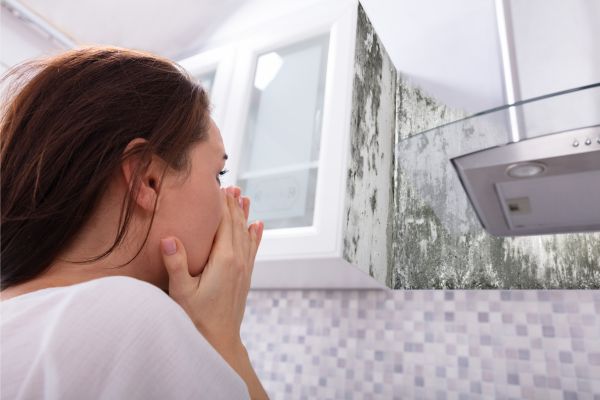
You’re not imagining it. That musty smell, the headaches that won’t quit, the cough your kid’s had for weeks – they’re real, and mold could be the reason.
But here’s the problem: mold doesn’t always show up where you’re looking. It hides behind walls, under floors, in crawl spaces you forgot existed. By the time you see it, it’s already been growing for months.
Professional mold testing finds it early. We check the places you can’t reach and test the air you’re breathing. You get a clear report that tells you exactly what’s happening in your home – not a sales pitch, not a scare tactic. Just facts you can act on.
Catching mold early means smaller fixes, lower costs, and less risk to your family. You’re not waiting until the drywall’s rotted or your insurance company’s asking questions. You’re handling it now, while it’s still manageable.
We’re not new to Almont or Bucks County. We’ve tested hundreds of homes across the area, and we know what mold looks like here – because Pennsylvania’s older housing stock and rising precipitation levels create the exact conditions mold loves.
Most homes in this area were built decades ago. That means aging materials, settled foundations, and plenty of opportunities for water to get where it shouldn’t. We’ve seen it in basements, attics, bathrooms, and places homeowners didn’t even know could hold moisture.
Our inspectors are certified, experienced, and equipped with the tools to detect mold you’ll never see on your own. We’re not here to upsell you or dramatize the situation. We’re here to give you an honest assessment so you can make an informed decision about your home.
First, we walk through your home and talk. You tell us what you’ve noticed – smells, stains, health symptoms, water issues. We listen, because those details tell us where to look.
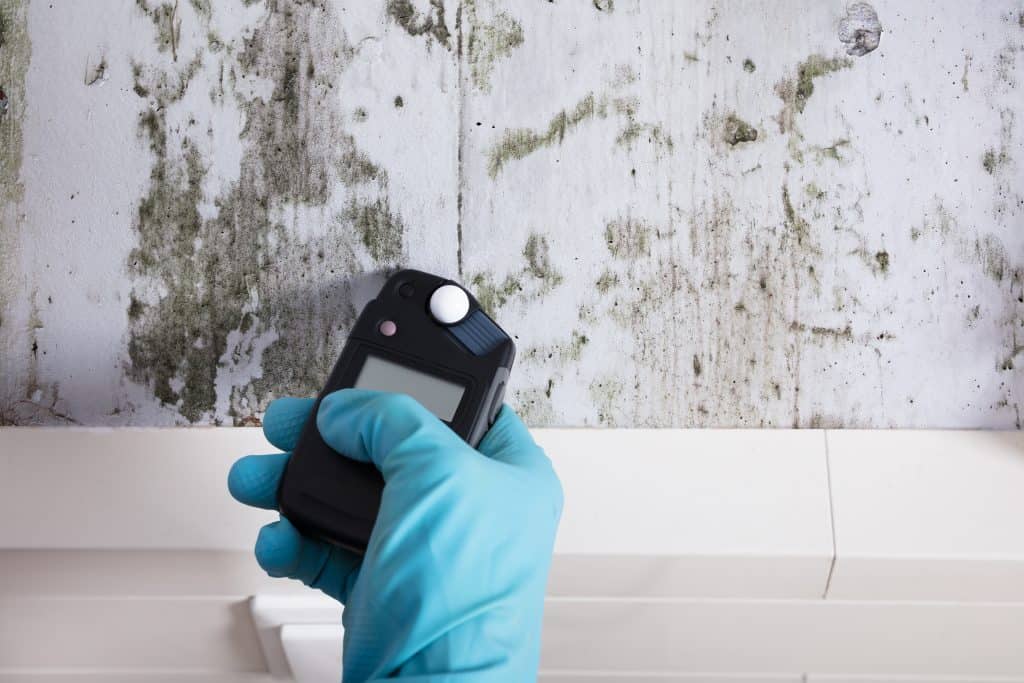
Then we inspect. We check visible areas first – bathrooms, basements, around windows, anywhere moisture tends to collect. But we don’t stop there. We use moisture meters and thermal imaging to find hidden water damage. We test the air quality to detect mold spores you can’t see.
If we find something, we take samples. Those samples go to a lab for analysis. You get a detailed report that identifies the type of mold, the concentration levels, and where it’s growing.
After that, we explain what it means. Not in technical jargon – in plain terms. We tell you how serious it is, what needs to happen next, and what it’s going to cost. No surprises, no pressure. Just a clear path forward so you can decide what makes sense for your home and your budget.
Ready to get started?
When you schedule mold testing with us, you’re getting a certified inspector who knows what to look for. You’re getting a thorough inspection of your home – not a quick walk-through. You’re getting air quality testing, moisture detection, and lab-analyzed samples if we find growth.
You’re also getting a free initial inspection. We don’t charge you to come out and assess the situation. If testing is needed, we’ll tell you what it costs upfront – before we do anything.
In Almont and across Bucks County, mold is more common than most homeowners realize. Pennsylvania’s precipitation has increased 5% to 10% in recent years, and that extra moisture has to go somewhere. Older homes with aging infrastructure are especially vulnerable. Basements flood, roofs leak, and humidity builds up in spaces that weren’t designed with modern ventilation in mind.
We’ve tested homes where mold was growing for years without anyone knowing. The homeowners thought their allergies were just getting worse, or that their house always smelled a little off. Testing gave them clarity – and a chance to fix it before it became a bigger problem.
If you’re smelling something musty, seeing discoloration on walls or ceilings, or dealing with unexplained health issues like headaches, coughing, or respiratory problems, testing makes sense. Same goes if you’ve had any water damage – even if it was months ago and you thought it dried out.
Mold doesn’t need much to grow. A small leak, high humidity, or even condensation can create the right environment. And because it often grows in hidden areas, you won’t always see it before it becomes a problem.
Testing gives you certainty. You’re not guessing or waiting to see if symptoms get worse. You’re finding out exactly what’s in your home so you can address it – or confirm there’s nothing to worry about. Either way, you’re making a decision based on real information, not anxiety.
An inspection is visual. We walk through your home, look for signs of mold growth, check for moisture issues, and identify areas where mold is likely to develop. It’s a thorough assessment, but it’s based on what we can see and measure on-site.
Testing goes further. We collect air samples and surface samples, then send them to a lab for analysis. The lab identifies the specific type of mold, measures spore concentration, and confirms whether what we’re seeing is actually mold or something else.
Most of the time, we start with an inspection. If we find visible growth or detect conditions that suggest hidden mold, we’ll recommend testing. That way, you’re not paying for lab work unless it’s actually needed. You get the information that matters without unnecessary costs.
The on-site inspection usually takes one to two hours, depending on the size of your home and what we find. We’re not rushing through it. We’re checking every area that could be harboring mold – basements, crawl spaces, attics, bathrooms, kitchens, around windows and doors.
If we collect samples for lab testing, you’ll get results within a few days. The lab needs time to analyze what we’ve sent them, but we’ll follow up as soon as we have the report.
After that, we schedule a time to go over the findings with you. We’ll explain what the results mean, answer your questions, and talk through your options. The whole process from inspection to results typically takes less than a week, so you’re not left waiting and wondering.
Yes. Lab testing identifies the type of mold and the concentration levels in your home. Some molds are more problematic than others – black mold (Stachybotrys) is the one most people have heard of, but there are other types that can cause health issues too.
The report will tell you what species we found and whether the spore count is high enough to be a concern. That gives you a clear picture of the risk, not just a vague sense that something might be wrong.
Keep in mind that any mold growth in your home is worth addressing, even if it’s not the “toxic” kind. Mold damages building materials, smells bad, and can trigger allergies or asthma. Testing helps you understand the severity so you can prioritize the fix – whether that’s a small cleanup or a larger remediation project.
You can buy a kit, but it won’t give you the full picture. Most DIY kits only test one small area, and they don’t account for airborne spores or hidden growth. You might miss the actual problem entirely, or you might get a false positive that causes unnecessary panic.
Professional testing covers more ground. We’re checking multiple areas, testing the air, using equipment that detects moisture and temperature variations, and interpreting the results in context. We know what normal spore levels look like and what indicates a real issue.
If you’re trying to save money, we get it. But a $30 kit that gives you incomplete information isn’t a bargain if it means you’re still dealing with mold six months from now – or if you spend money on remediation you didn’t actually need. Professional testing costs more upfront, but it’s accurate, and it gives you a plan you can trust.
It depends on your policy and what caused the mold. If the growth is due to a covered event – like a burst pipe or storm damage – your insurance may cover testing and remediation. If it’s from long-term neglect, high humidity, or a maintenance issue, probably not.
Pennsylvania doesn’t have state regulations requiring mold coverage, so it’s up to individual insurers. Some policies include it, some exclude it entirely, and some offer it as an add-on. You’ll need to check your specific policy or call your agent to know for sure.
We work with insurance companies regularly, and we can provide the documentation they need if you’re filing a claim. We’ll give you a detailed report with photos, lab results, and a clear explanation of what we found. That makes the claims process easier and gives you the backup you need if there’s any pushback.
Other Services we provide in Almont